

How do I care for dry hair?
Introduction
Dry hair can make your daily hair care a challenge - from tedious styling to constant breakage and split ends. As a beauty expert with over ten years of experience in hair care, I know that dry hair is far more than just a cosmetic problem. My many years of expertise in the field of hair care allow me to specifically address the needs of your hair. They often signal a disturbed hair structure that requires targeted care and the right understanding of the causes.
What this guide covers
This comprehensive guide explains all the scientific background on dry hair, shows you proven care routines, and introduces you to the most effective products – at Hair Gallery you will find really everything you need for optimal hair care. Particularly important here is the topic of hair serum, which contributes as an effective solution for the care and protection of your hair. We will go into detail on how hair serums can help to smooth the hair surface, provide moisture, and reduce damage like breakage and frizz.
What you will NOT find here: superficial quick fixes or unrealistic promises for overnight results.
Who this guide is for
This guide is aimed at all women and men who struggle with dry, brittle, or lackluster hair. Whether your hair is naturally dry, damaged by coloration, or suffering from intensive styling - you will find concrete solutions for your individual needs here.
Why this is important
Dry hair is more than an aesthetic problem. It can lead to permanent hair damage, increased hair loss, and a weakened hair structure. However, with the right care and an understanding of the causes, long-term healthy, supple hair can be achieved.
What you will learn:
-
How to identify the true causes of your dry hair
-
A scientifically based care routine for maximum moisture
-
Which products and ingredients really help, especially the importance of hair serums
-
Proven solutions for typical problems like split ends and frizz
At the end of this guide, you will also find references to further articles and specialist articles on the subject of hair care.
Understanding dry hair: The basics
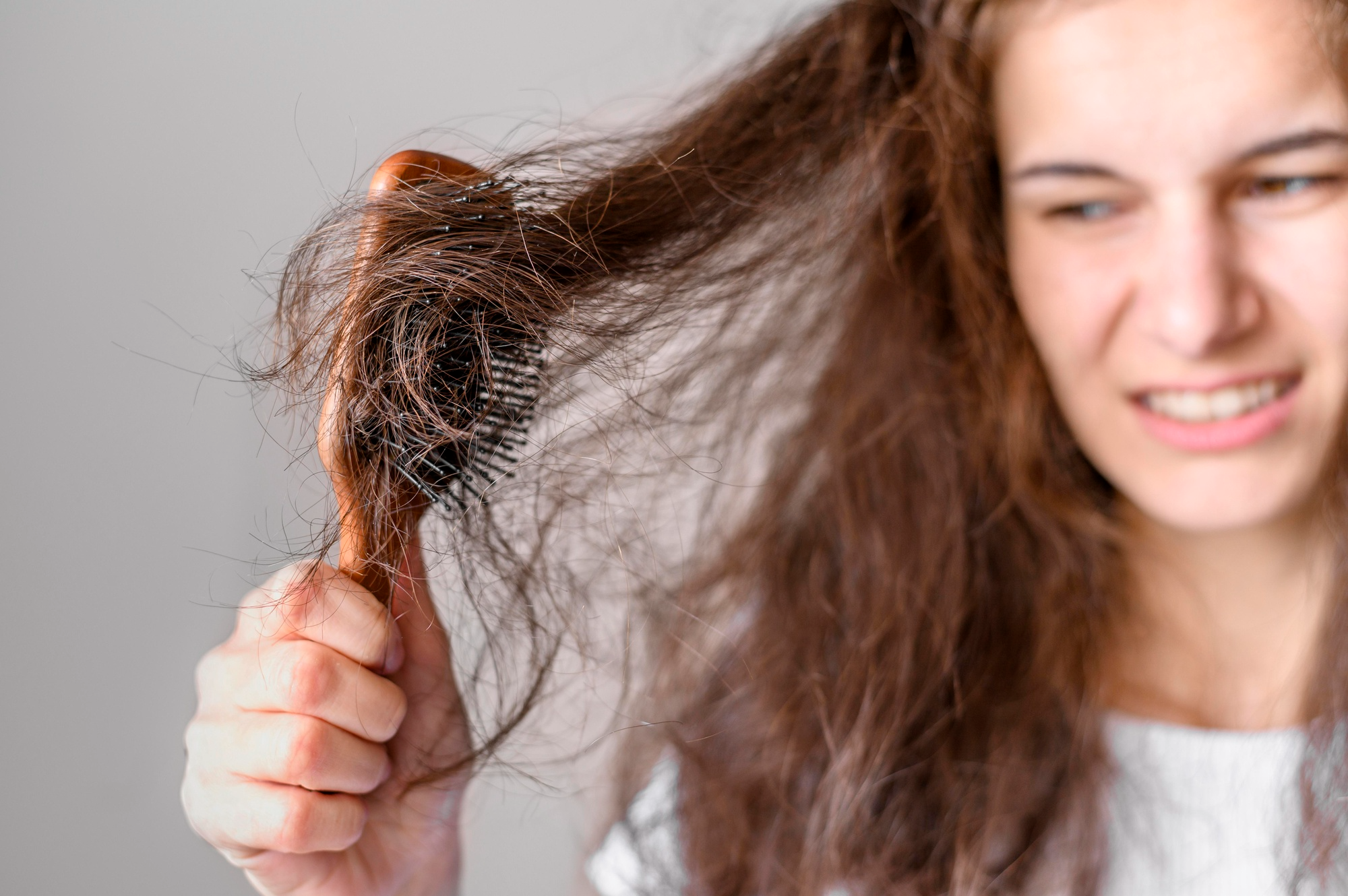
Dry hair occurs due to a disturbed moisture balance of the hair fiber, where the natural lipid layer is damaged and moisture can escape unhindered. Due to the loss of moisture, the structure of the hair is weakened, which can lead to brittle and fragile hair.
Medically, this is referred to as xerotrichia - a condition where the sebaceous glands produce less than 120 mg/cm² of sebum. Specifically, this means: The cuticle layer of your hair no longer lies flat, but stands up like open roof tiles. As a result, your hair not only loses moisture but also becomes susceptible to external damage.
This understanding is crucial for your hair care, because only when you know what is happening in your hair at a molecular level can you take targeted countermeasures and optimally adapt your care routine to maintain the health of your hair in the long term.
Causes of dry hair
The main causes of dry hair can be divided into two categories: internal (endogenous) and external (exogenous) factors.
This is related to dry hair because both groups of factors directly influence sebum production and the integrity of the cuticle layer.
-
Internal factors like genetic predisposition, age, or hormonal fluctuations determine the natural oil production of your scalp.
-
External factors like heat, chemical treatments, or incorrect care damage the existing hair structure further.
Particularly interesting: Studies show that from the age of 45, sebum production decreases significantly, whereby even originally normal hair types can tend towards dryness.
Dry hair and nutrition: What your hair needs from within
|
Nutrient |
Effect on hair & scalp |
Best food sources |
|---|---|---|
|
Omega-3 fatty acids |
strengthens the scalp, prevents dryness, promotes hair growth |
Salmon, walnuts, flaxseeds, chia seeds |
|
Vitamin E |
protects hair follicles from oxidative stress, improves hair structure |
Almonds, avocado, sunflower seeds |
|
Zinc |
prevents hair loss, strengthens the hair root |
Pumpkin seeds, chickpeas, rolled oats |
|
Biotin (Vitamin B7) |
strengthens hair matrix & elasticity |
Eggs, nuts, whole grain products |
|
Protein |
provides strength, elasticity & resilience |
Legumes, meat, tofu, quark/curd cheese |
|
Iron |
supports hair growth, prevents loss |
Spinach, lentils, beetroot |
|
Vitamin C |
strengthens the collagen structure of hair follicles |
Citrus fruits, bell peppers, broccoli |
|
Water |
keeps scalp & follicles moist, prevents breakage |
Water, water-rich fruits (melon, cucumber) |
Beautiful, healthy hair begins not only with external hair care but also with a balanced diet. Your hair structure benefits enormously from a diet rich in proteins, vitamins, and minerals. Especially Omega-3 fatty acids, Vitamin E, and Zinc are essential to strengthen the scalp, promote hair growth, and prevent breakage as well as hair loss. Proteins are the building blocks of your hair and ensure elasticity and resilience.
Make sure to drink enough water daily to supply your scalp and hair follicles with moisture. A nutrient deficiency can quickly lead to dry, brittle hair and impair the results of your hair care routine. Therefore, combine a healthy diet with targeted care to strengthen your hair from the inside and out and ensure long-term shine, fullness, and vitality.
Hair and environment: External influences on dry hair
|
Environmental influence |
How it harms the hair |
What you can do about it |
|---|---|---|
|
Sun / UV rays |
destroys the lipid barrier & dries out the cuticle layer |
Heat protection with UV filter, nourishing hair serums, head covering |
|
Wind |
roughens the hair surface & extracts moisture |
Leave-in care, detangling sprays, braid or bun hairstyles |
|
Cold |
leads to reduced sebum production → dry hair & scalp |
Moisturizing serums, oil treatments, mild shampoos |
|
Heating air / Dry indoor spaces |
extracts moisture & stresses the hair fibers |
regular moisture masks, humidifier, hair-strengthening leave-ins |
|
Pollutants (Dust, exhaust fumes, pollen) |
deposit on the hair surface & make care difficult |
gentle deep cleansing shampoo, antioxidant care, scalp serums |
|
Frequent styling / Heat |
destroys keratin, dries hair out & causes micro-damage |
Heat protection, gentle temperatures, regular nourishing oils |
Dry hair reacts particularly sensitively to external environmental influences, which can additionally strain its structure. Intense sunlight, strong wind, cold, and dry heating air extract moisture from the hair surface and cause the cuticle layer to roughen. The result: The hair becomes brittle, susceptible to breakage, split ends, and frizz. Pollutants such as pollen, dust, or exhaust fumes also deposit on the hair and can make hair care difficult.
To protect your hair from these strains, a thoughtful hair care routine is crucial. Rely on hair serums that specifically provide moisture and smooth the cuticle layer. Heat protection is indispensable not only when styling with a hairdryer or straightener but also protects the hair structure from UV rays and environmental influences. Complement your routine regularly with a nourishing hair mask to replenish your hair's moisture depots and strengthen the hair surface. This way, you effectively prevent breakage and frizz and maintain the suppleness and shine of your mane – even in challenging weather conditions.
Recognizing signs and symptoms
Building on the causes, dry hair shows characteristic features that you can easily identify yourself.
The most important signs are:
-
Split ends at the tips
-
a straw-like feeling when touching
-
lack of shine
-
increased knot formation
-
breakage even under light strain
-
your hair is difficult to comb
-
your hair frizzes up in humidity and feels dry even after washing.
A simple test: Take a single strand of hair between your fingers - healthy hair feels smooth and supple, while dry hair feels rough and uneven.
Transition: Now that you have understood the basics, I will show you how you can rebuild your hair structure with the right care routine.
The right care routine for dry hair
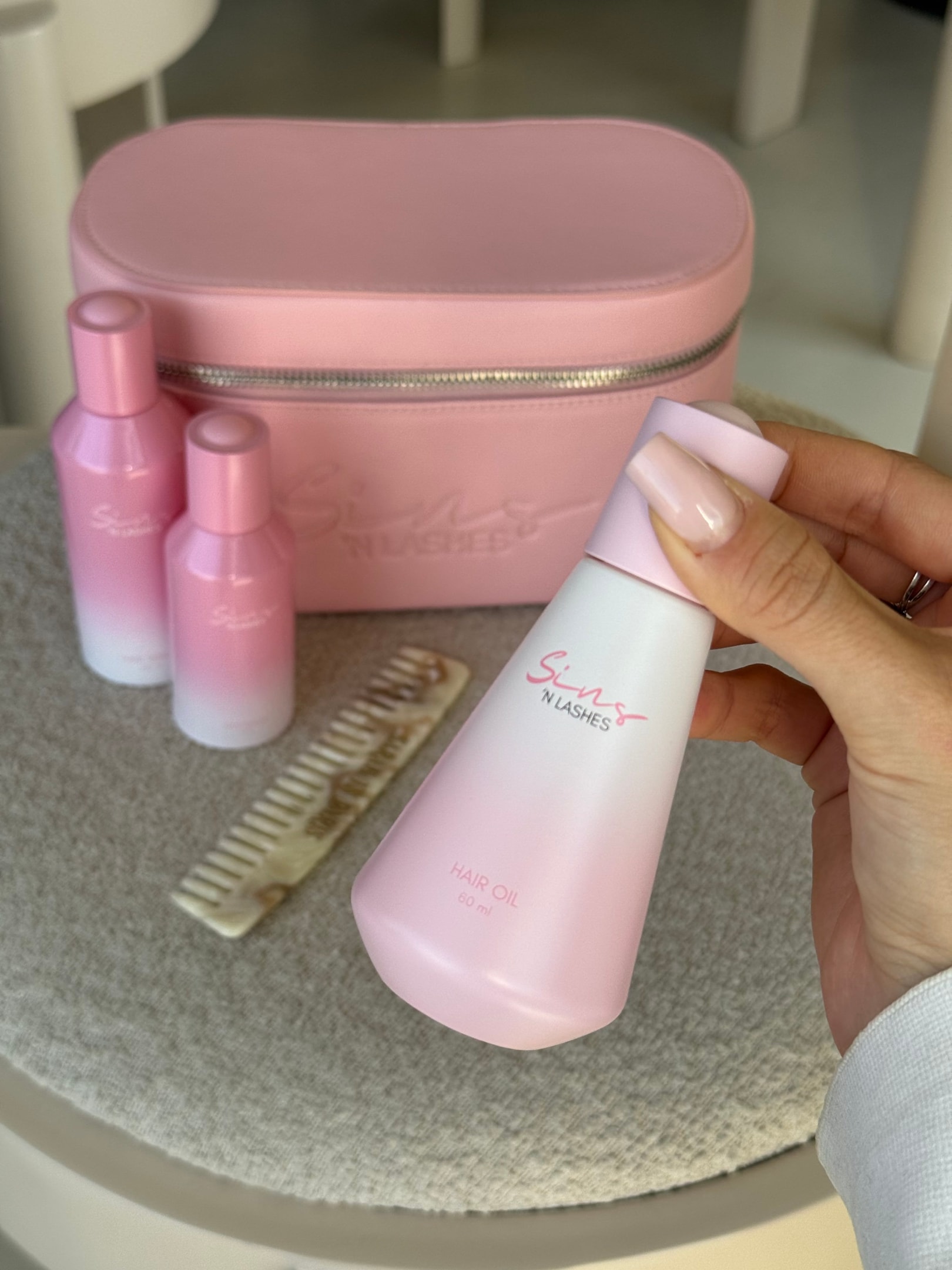
Now that you understand the mechanisms of dry hair, we can develop a targeted care routine in which a suitable product plays a central role to strengthen your hair fiber from the inside out and restore the natural moisture balance.
Washing and shampoo selection for dry hair
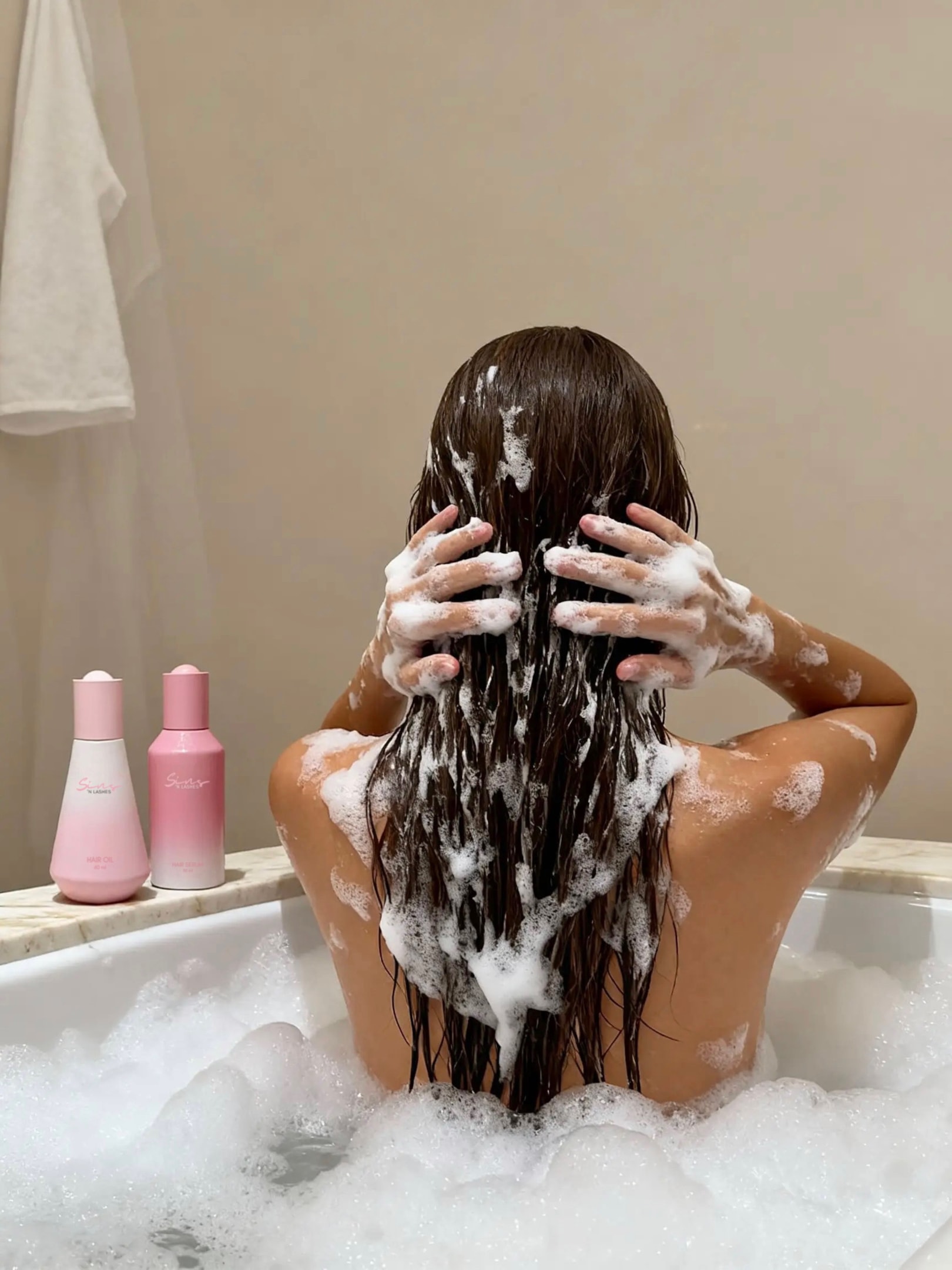
Hair washing is the cornerstone of every care routine - but for dry hair, the rule is: less is more. I recommend a maximum of 2-3 washes per week with sulfate-free shampoos that contain mild surfactants. Sulfates (recognizable by names like Sodium Lauryl Sulfate) additionally strip moisture from the hair and worsen the problem. Instead, you should look for shampoos with moisturizing ingredients like Aloe Vera, Glycerin, or Panthenol.
Gentle drying methods for dry hair
Unlike washing, drying requires special care, as wet hair is up to 40% more stretchable and thus more vulnerable. Air drying is always the gentlest option. If you must blow-dry, absolutely use heat protection and set the hairdryer to a low temperature. A diffuser attachment distributes the airflow more evenly and reduces hair damage. You should never rub wet hair dry - instead, dab it gently with a microfiber towel.
Styling tips for dry hair
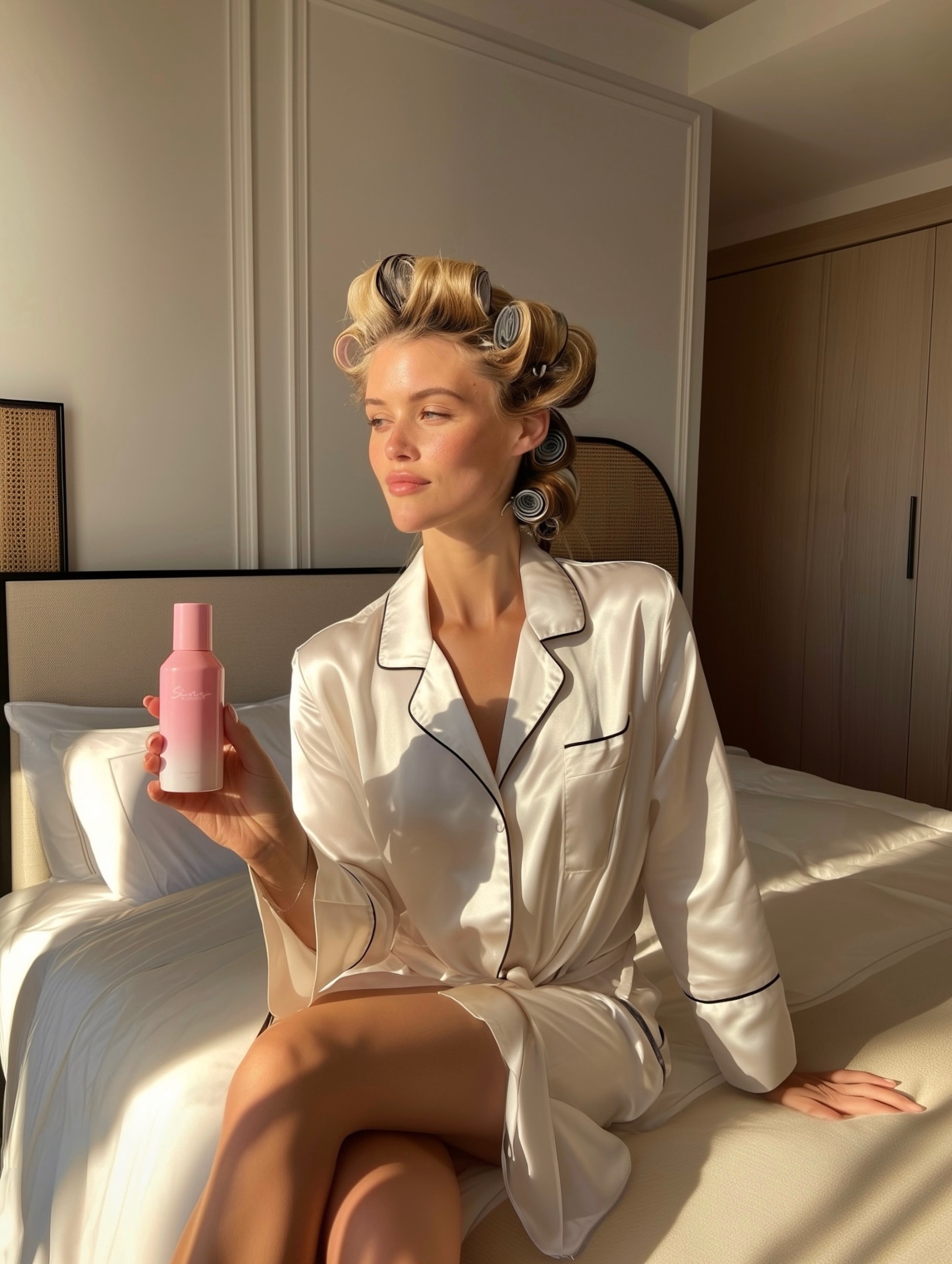
When styling, wide-toothed combs or special brushes with natural bristles are your best friends. Always start at the lengths and work your way carefully to the roots. Use a serum with heat protection before any heat styling and keep the temperature below 180°C.
Essential points:
-
Maximum 2-3 hair washes per week with sulfate-free products
-
Prefer air drying, use heat protection when blow-drying
-
Gentle combing with suitable tools from the tips to the roots
Transition: A good basic routine is often not enough for severely damaged hair - this is where intensive treatments and specialized products come into play.
Effective products for dry hair
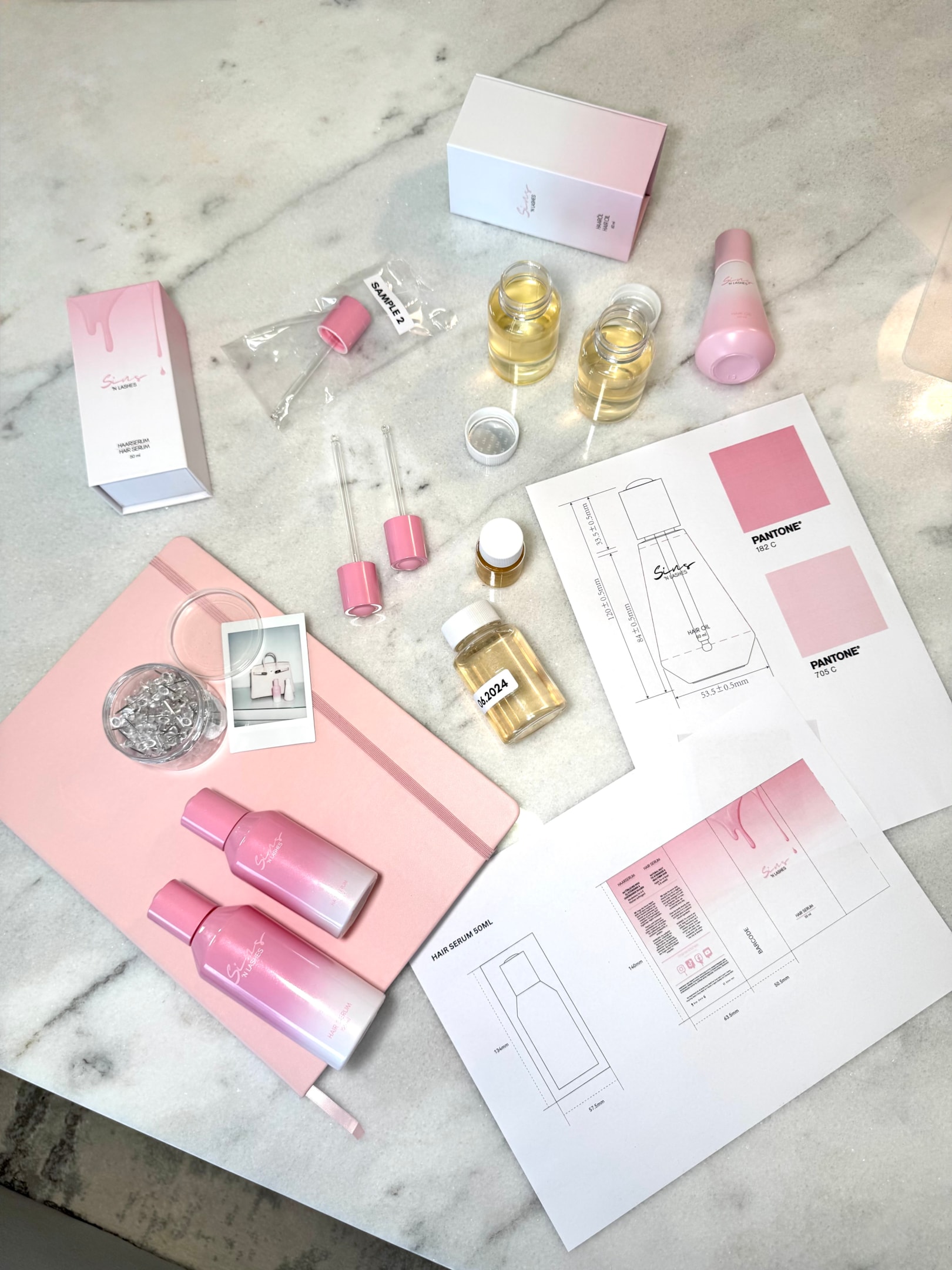
Solid basic care is important, whereby the selection of different brands in the field of hair care plays a crucial role in ensuring quality and variety. For dry hair, special products like hair oil, hair serum, and rosemary oil can specifically help to improve the hair structure and retain moisture.
Hair oil: Intensive care for dry hair
Hair oil is particularly suitable for caring for dry lengths and tips. It wraps protectively around the hair fiber, supplies it with important nutrients, and prevents drying out. Regularly oiling the hair with high-quality oils improves the hair structure, repairs damage, and ensures a healthy, shiny appearance. The oil can be applied as a treatment before washing by letting it work for 20-30 minutes, or applied sparingly to towel-dried hair to tame frizz and promote shine. Particularly natural oils like the one contained in rosemary oil also promote blood circulation in the scalp and thus support healthy hair growth.
Hair serum: Protection and suppleness for dry hair
Hair serum is a light care product that is applied to damp lengths and tips after washing. Hair serums are specialized care products that specifically treat different hair types and problems like hair growth, hair loss, damage, or scalp care with various active ingredients. It wraps itself as a thin layer around the hair surface, smooths the cuticle layer, and thus ensures more suppleness and less breakage. In addition, a good hair serum protects against harmful environmental influences and heat during styling. It is particularly suitable for dry and damaged hair, as it locks moisture into the hair and improves shine.
Rosemary oil: Support for scalp and hair growth
Rosemary oil is frequently used in hair care because it stimulates the scalp and promotes blood circulation. This can help to strengthen the hair follicles and prevent hair loss. For dry hair, rosemary oil is particularly valuable, as it not only soothes the scalp but also possesses anti-inflammatory properties. It combines well with hair oil or hair serum to enhance the care effect.
How these products work together for dry hair
For effective care of dry hair, it is recommended to specifically combine hair oil and hair serum: The hair oil can be applied as a nourishing treatment before washing, while the hair serum ensures protection and suppleness after washing. Rosemary oil can either be contained as a component in the hair oil or used separately for scalp care. This way, you support both the hair structure and the health of the scalp and promote long-term supple, shiny hair.
Transition: With this knowledge, you can specifically adapt your care routine to effectively counteract dry hair.
Hair care for specific hair types with dry hair
Dry hair is not just dry hair – depending on the hair type, the needs and challenges differ significantly. Whether fine, curly, thick, or colored hair: Each hair type demands individually tailored hair care to strengthen the hair structure, tame frizz, and maintain natural shine.
Fine hair tends to get split ends quickly when dry and loses volume. Here, a light hair serum is recommended that strengthens the hair fiber without weighing it down. Products with an anti-frizz effect ensure that the hair remains supple and does not stand up. A weekly hair mask with moisturizing ingredients helps to improve the hair structure and return shine.
Curly hair is naturally drier because the cuticle layer is more open and moisture can escape faster. For this hair type, rich hair serums and anti-frizz products are indispensable to define the curls and minimize frizz. An intensive hair mask that penetrates deep into the hair fiber ensures elasticity and prevents split ends.
Thick or frizzy hair requires a lot of moisture to keep its hair structure supple. Here, nourishing hair care products are needed that intensively supply the hair fiber and promote shine. An anti-frizz serum smooths the hair surface and protects against external influences. Regular applications of hair masks and hair serums help to tame the mane and prevent split ends.
Colored hair is often doubly stressed: The chemical treatment attacks the hair structure and additionally extracts moisture. Special hair serums for colored hair protect the hair fiber, preserve color brilliance, and give the hair new shine. Anti-frizz products and moisturizing hair masks are particularly important here to prevent frizz and breakage.
Regardless of the hair type, the following applies: The right selection of products – from hair serums to anti-frizz solutions to nourishing hair masks – is crucial to make dry hair look supple, shiny, and healthy again. Make sure to regularly adapt your hair care to the current needs of your hair and treat them to targeted treatments to avoid split ends and frizz in the long term. This way, you bring out the natural beauty of your hair optimally!
Hair care in the salon: Professional help for dry hair
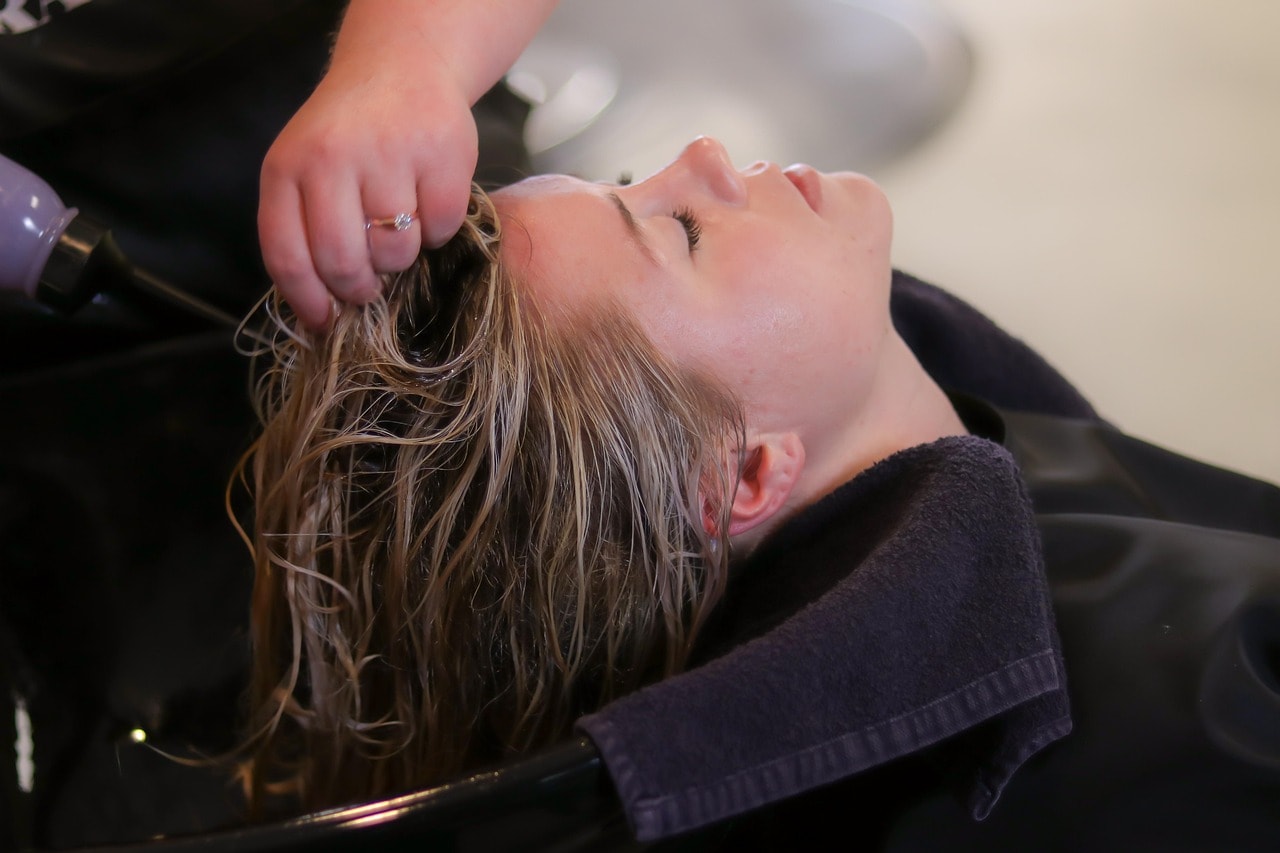
Sometimes the best products and routines at home are not enough to get dry hair back into top form. In such cases, a trip to the hairdresser is worthwhile, who can specifically address the needs of your hair with professional treatments and individual advice. An experienced hairdresser analyzes the hair structure, recognizes the causes of dryness, and recommends tailored solutions – from intensive hair masks to special masks to gentle styling methods.
Regular salon visits not only help to prevent split ends and breakage but also give you valuable tips for care at home. This way, you can optimally adapt your hair care routine and ensure healthy, shiny hair in the long term. Trust the expertise of your hairdresser to achieve the best results for your individual hair structure and make your mane shine again.
Common problems and solutions
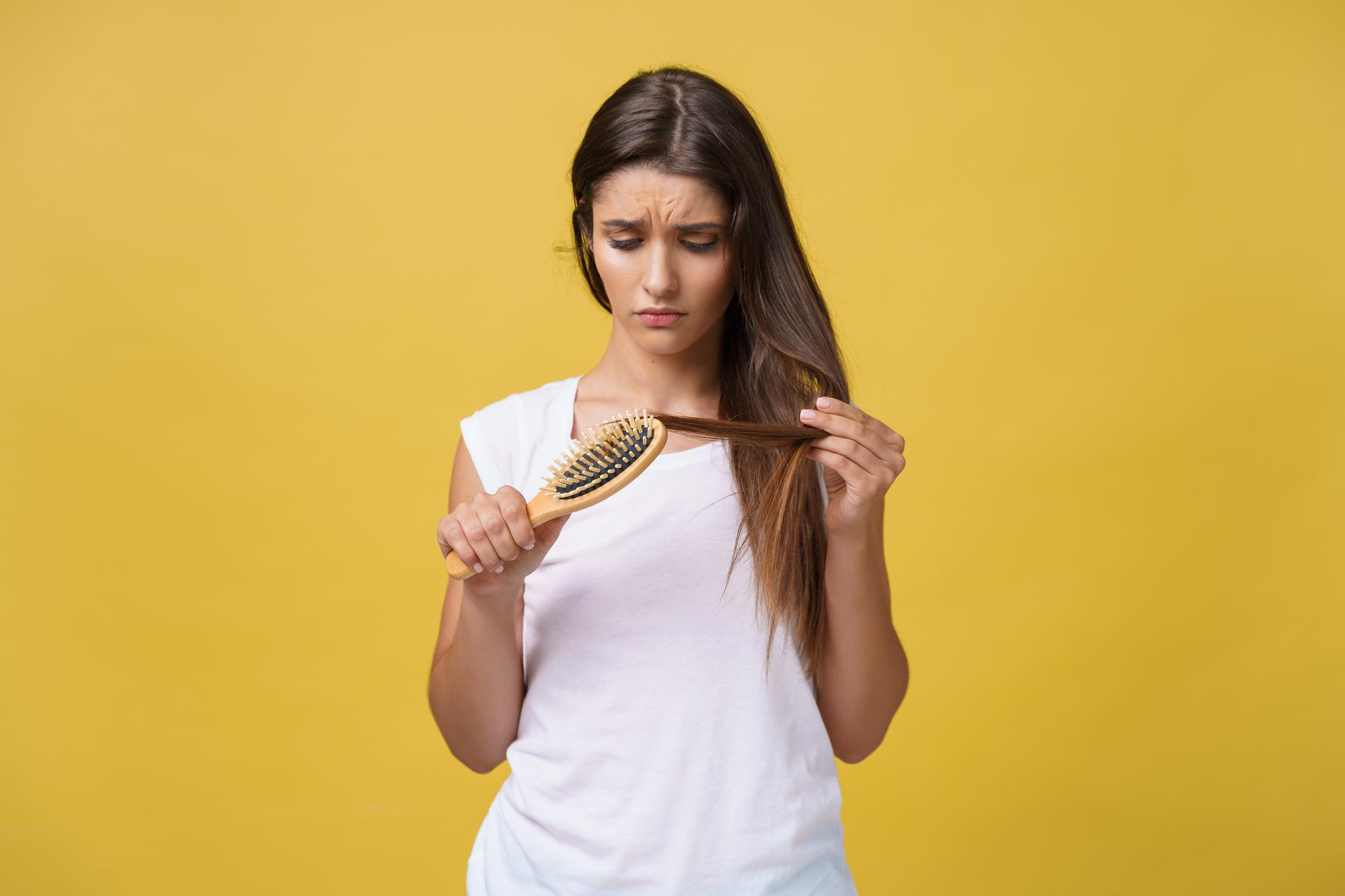
From my many years of consulting practice, I know the typical challenges you are confronted with when having dry hair – especially the worry about hair damage. The good news: There are proven solutions for every problem.
Problem 1: Split ends and breakage
Solution: Regular trims every 6-8 weeks are unavoidable, as split ends otherwise "eat" their way further up. Additionally, you should use a tip oil daily - argan oil or special split end serums with repairing proteins are particularly effective.
The combination of mechanical removal (cut) and preventive care (oil) stops the vicious circle of breakage and further damage.
Problem 2: Frizz and unruly hair
Solution: Anti-frizz products with silicones can help temporarily, but in the long term, you should rely on silicone-free alternatives with Aloe Vera or flaxseed gel. The right styling technique is also important: Never blow-dry hair against the direction of growth and always smooth with a round brush.
For very stubborn frizz, a professional keratin treatment at the hairdresser can be an option.
Problem 3: Lack of shine and dull appearance
Solution: Shine is created by an intact cuticle layer that reflects light. Use an acidic rinse (1 tbsp apple cider vinegar to 1 liter of water) weekly after washing - this closes the cuticle layer. Products with light-reflecting particles or natural oils like jojoba oil also help.
Transition: With these concrete solutions, you now have all the tools at hand to sustainably improve your hair health.
Conclusion and next steps
Dry hair is a solvable problem if you understand the causes and proceed systematically. The key lies not in expensive products, but in consistency and the right combination of gentle cleansing and good care.
How to get started:
-
Start with product selection: Use a high-quality hair serum specifically for dry hair. It wraps protectively around the hair surface, smooths the hair structure, and ensures more suppleness and shine. Complement your routine with a nourishing hair oil that supplies the hair fiber with important active ingredients and binds moisture. Rosemary oil also supports scalp health, promotes blood circulation, and strengthens the hair follicles – important factors for healthy hair growth.
-
Adjust your routine: Reduce hair washing to 2-3 times a week with sulfate-free shampoos to spare the natural lipid layer. Apply the hair serum to damp lengths and tips after every wash to protect the hair surface and reduce frizz. You can use the hair oil as a treatment before washing or sparingly in dry hair to prevent split ends and care for the tips.
-
Seek professional advice: For stubborn problems or uncertainties in product selection, an experienced hairdresser or hair expert can help you find the right combination of serum, oil, and other care products. This way, you can optimally tailor your care routine to your individual needs.
Dry hair doesn't have to be a permanent problem! With the right care routine, high-quality products, and targeted application, you can improve your hair structure and give your hair new shine.
Frequently Asked Questions (FAQ) about dry hair
How can I best care for dry hair?
The best care for dry hair involves gentle washing with sulfate-free shampoos that provide moisture, as well as the regular application of hair serum and hair oil. It is also important not to wash the hair too frequently and to let it air dry if possible. Heat protection products protect against further damage from styling.
Which products help most effectively against dry hair?
Products like moisturizing conditioners, nourishing hair masks, and special hair serums with caring formulas are ideal for dry hair. Hair oils, especially with natural ingredients like argan or rosemary oil, strengthen the hair fiber and ensure more shine and suppleness.
How often should I wash my dry hair?
For dry hair, washing about 2-3 times a week is recommended. Too frequent washing can destroy the natural lipid layer and intensify dryness. Leave-in conditioners and serums help to retain moisture between washes.
Can I repair dry hair with a hair mask?
Yes, an intensive hair mask acts as deep care and supplies the hair with important nutrients and moisture. It strengthens the hair structure and can reduce breakage as well as split ends. Ideally, the hair mask should be applied at least once a week.
How do I protect my dry hair from damage during styling?
Always use a hair serum with heat protection before blow-drying, straightening, or curling. Gentle styling methods and avoiding excessively high temperatures preserve the hair structure. Wide-toothed combs and special brushes help to avoid breakage.

