

Pure Rosemary Oil: 5 Applications for a Healthy Scalp and Stronger Hair
Introduction: Why rosemary oil is so hyped right now
Do you feel like your hair is thinning, dulling or growing more slowly? Welcome to the club - millions of women struggle with the same problems. And that's exactly why pure rosemary oil for hair care is currently experiencing a huge comeback in hair care.
What used to be a Mediterranean culinary herb is now regarded in the beauty world as a natural alternative to minoxidil - only milder and better tolerated.
But:
👉 Only correctly applied rosemary oil really brings results.
👉 Incorrect application can even irritate the scalp.
This guide shows you scientifically, clearly and understandablyhow to use rosemary oil safely and effectively for your hair growth .
What this guide will do for you
You will learn
-
how rosemary oil works on your hair follicles
-
which active ingredients are really scientifically proven
-
what risks you need to know
-
how to use rosemary oil correctly (step by step)
-
5 real applications that REALLY work
-
how you can combine rosemary oil with other serums (hair, eyelashes, brows)
Many women notice: Hair is thinning, growing more slowly or looking dull. This is precisely why pure rosemary oil is making a gigantic comeback - and is now even being traded as a natural alternative to minoxidil .
Natural hair stimulation
Rosemary oil improves the microcirculation of the scalp, which means that the follicles are better supplied with oxygen and nutrients.
Comparable to minoxidil
Studies show: Rosemary oil can prolong the anagen phase - similarly effective to minoxidil, but without severe side effects.
Non-irritating when used correctly
When properly diluted, rosemary oil is very well tolerated. Undiluted, however, it can irritate - so correct application is crucial.
Who is rosemary oil suitable for?
This guide is ideal for you if you:
-
notice hair loss (postpartum, stress-related, genetic)
-
have thinning hair
-
have a sensitive, dry or oily scalp
-
prefer natural care
-
want to promote your hair growth sustainably
The most important things at a glance
-
Rosemary oil promotes hair growth and improves the health of the scalp by stimulating the hair follicles and improving blood circulation.
-
Regular use of rosemary oil, whether through scalp massages or in shampoos, is crucial for optimal results and healthier hair.
-
The versatile rosemary oil can be used in various forms such as scalp masks, tonics or leave-in care to soothe the scalp and strengthen the hair.
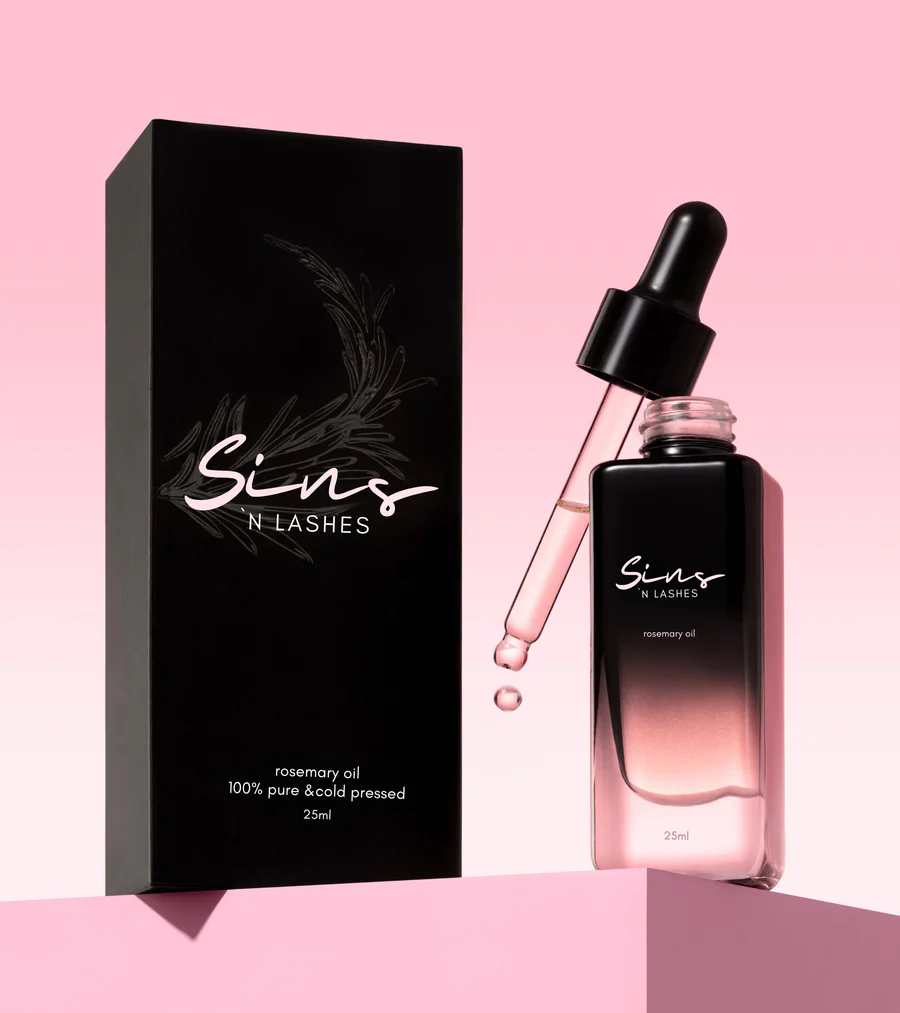
Why pure rosemary oil is important for the scalp
Rosemary oil is a true miracle worker when it comes to hair and scalp care. It is known to stimulate the hair follicles, leading to stronger hair growth and improving the overall health of the scalp. By promoting blood circulation and strengthening the hair follicles, it contributes to healthier and more resilient hair.
Rosemary oil is also widely used in cosmetics and can be used in combination with other natural remedies to specifically promote hair health. In addition, rosemary oil has anti-inflammatory properties that help to soothe inflammation and reduce dandruff. The antioxidant properties of the oil help to fight off free radicals that can damage hair. These benefits make rosemary oil an excellent choice for anyone who wants to care for their hair and scalp naturally.
Rosemary oil ingredients
The magic of rosemary oil lies in its ingredients. Essential oils and antioxidants play a crucial role in supporting scalp health. One of the most important ingredients is cineole, which stimulates blood circulation and thus improves the supply of nutrients to the hair follicles.
In addition, rosemary oil contains carnosolic acid, which has anti-inflammatory properties and soothes the scalp. Through continuous use, rosemary oil can also regulate sebum production on the scalp, resulting in a healthier and more balanced scalp.
The active ingredients in rosemary oil - and why they work
| Active ingredient | Scientifically proven effect |
|---|---|
| Cineole (1,8-cineole) | Improves blood circulation & Oxygen transport to hair follicles. |
| Carnosolic acid | Strong Anti-inflammatory - ideal for irritated scalps. |
| Rosmarinic acid | Has an antioxidant effect and protects against free radicals. |
| Borneol | Antibacterial & Soothes the skin, reduces dandruff. |
Effect of rosemary oil on blood circulation
The promotion of blood circulation is one of the most remarkable properties of rosemary oil. Massaging the scalp with rosemary oil and the ingredient cineole:
-
significantly improves blood circulation
-
increases oxygen transport
-
increases nutrient absorption This is of great importance for hair growth.
Improved blood circulation to the scalp means that the hair roots are better supplied with nutrients, resulting in healthier and stronger hair. This effect makes rosemary oil an essential part of any hair care routine.
How rosemary oil really works - the science behind it

Rosemary oil does not work by "magic", but by three measurable effectsthat are scientifically proven:
1. Rosemary oil promotes blood circulation
The active ingredient 1,8-cineole, a main component of rosemary oil, has been proven to improve the microcirculation of the scalp. Studies show that improved blood circulation means that the hair roots are better supplied with oxygen and important nutrients. This increased supply supports healthy hair growth and strengthens the hair follicles in the long term.
2. Rosemary oil prolongs the growth phase (anagen phase)
Scientific studies prove that rosemary oil can prolong the anagen phase, i.e. the active growth phase of the hair. In one study, rosemary oil was compared with minoxidil - a well-known hair loss remedy - and showed comparable effectiveness, but without the side effects that often occur with minoxidil, such as itching or irritation. By extending the growth phase, the hair becomes thicker and denser.
3. Rosemary oil reduces inflammation & Excess sebum
Inflammation and excessive sebum production on the scalp are common causes of hair loss, especially in hormonal or stress-related forms. Rosemary oil has proven anti-inflammatory properties that help to soothe irritation and calm the scalp. At the same time, it regulates sebum production, which reduces the appearance of dandruff and oily scalp and thus promotes healthy hair growth.
These three effects are not only confirmed by testimonials, but are based on sound scientific studies that prove the effectiveness of rosemary oil as a natural alternative in hair care.
Safety and side effects of rosemary oil
Although rosemary oil is a safe and natural addition to hair care for most people, there are a few important points to bear in mind when using it. As rosemary oil is a very concentrated essential oil, sensitive skin may experience irritation or allergic reactions. It is therefore advisable to carry out a small tolerance test on the skin before the first application - for example in the crook of the arm.
Rosemary oil should never be applied undiluted to the skin or scalp. Always mix it with a carrier oil such as jojoba oil or coconut oil to protect the skin and make application more pleasant. Caution is advised, especially with existing skin problems such as neurodermatitis or rosacea, as the oil could further irritate the skin. If you notice any redness, itching or burning after use, rinse the oil off thoroughly immediately and refrain from using it again.
With these simple precautions, you can safely enjoy the benefits of rosemary oil for your hair and scalp.
Buying rosemary oil: what should you look out for?
If you want to buy rosemary oil for your hair care, you should pay particular attention to the quality and purity of the oil. A high-quality rosemary oil is 100% pure, contains no additives and is ideally obtained from organic cultivation. Organic rosemary oil is free from pesticides and chemical fertilizers - this is not only better for your hair, but also for the environment.
When buying, make sure that the oil is delivered in a dark, well-sealed bottle. This preserves the quality of the oil for a long time and protects the valuable ingredients from light. Also find out about the manufacturer and the origin of the rosemary oil to make sure you are getting a trustworthy product. A look at the list of ingredients will help you choose a pure and high-quality oil for your hair care.
Organic rosemary oil and quality features
A good organic rosemary oil is characterized by high purity and carefully selected ingredients. It should be free from harmful substances, artificial additives and preservatives. Look out for certificates that confirm the organic quality and find out about the origin of the rosemary leaves used. A high-quality organic rosemary oil is a reliable remedy for natural hair care and gently supports the health of the hair and scalp. Always check the ingredients before buying and choose an oil that suits your needs and requirements.
Is rosemary oil suitable for you?
- You have hair loss (postpartum, stress-related, hormonal or genetic).
- Your lengths are thinning or losing their shine.
- You have a dry, sensitive or oily scalp.
- You prefer natural care instead of aggressive active ingredients.
- You want to gently promote your hair growth in the long term.
Application 1: Scalp massage with rosemary oil

One of the easiest and most effective ways to use rosemary oil is a scalp massage. This application is not only relaxing, but also extremely beneficial for scalp health. The massage stimulates blood circulation and improves the absorption of nutrients by the hair follicles. Gently oiling the scalp with rosemary oil also supports care and can strengthen the hair structure.
It is important to dilute the rosemary oil with a carrier oil before use to avoid skin irritation. A mixing ratio of 5-10 drops rosemary oil to 30 ml carrier oil is ideal. Rosemary oil can also be used as a hair oil to intensively nourish both the scalp and the hair.
Step-by-step instructions: Rosemary oil scalp massage
For an effective scalp massage with rosemary oil, you need approx. 1 ml of the oil. Gently massage the oil into the scalp in circular movements. This promotes blood circulation and supports the supply of nutrients to the hair follicles.
Leave the rosemary oil on for several hours or overnight to achieve optimum results. This method is simple and can be easily integrated into your hair care routine.
Frequency and duration of rosemary oil
To achieve noticeable results, rosemary oil should be used regularly . Application at least once a week is recommended. For best results, massage the oil into the scalp before shampooing and leave it on for 20-30 minutes .
Long-term use for at least 6 months is crucial to experience the full benefits of rosemary oil. Patience and consistency are key to healthier hair and improved scalp health.
Application 2: Rosemary oil as a scalp mask

Rosemary oil can also be used as a soothing scalp mask. This application is particularly helpful for itching and dandruff. The anti-inflammatory properties of the oil soothe the scalp and reduce dandruff. Regular care with rosemary oil can also help to reduce split ends and make the hair appear healthier.
Regular use of a scalp mask with rosemary oil can create a healthier environment for hair growth and soothe the scalp in the long term. Rosemary oil is used in both homemade and commercial scalp care products.
Recipe for a scalp mask
For a simple scalp mask, you need 3-4 dried sprigs of rosemary and 100 ml of olive oil. Mix the ingredients and leave to infuse for a few weeks to extract the active ingredients from the rosemary.
Apply the mixture directly to the scalp or rub it between your hands. Alternatively, you can also combine other oils such as argan oil or coconut oil with rosemary oil.
How to use
The application time of the scalp mask is crucial for its effectiveness. Leave the mask on for at least 30 minutes before rinsing it out. This allows the active ingredients to penetrate deep into the scalp and develop their full effect.
For best results, use the scalp mask regularly and make sure to use the right amount of rosemary oil to avoid skin irritation.
Application 3: Rosemary oil in shampoo

Rosemary oil can also be integrated into your daily shampoo to improve hair care. Rosemary oil for hair is particularly effective when used regularly in shampoo. It helps to strengthen the hair structure and protect the hair from environmental influences. Organic rosemary oil can also be a valuable supplement.
The regular use of rosemary oil in shampoo promotes the long-term health of the scalp and strengthens the hair.
Mixing ratio of rosemary oil
The recommended mixing ratio of rosemary oil to shampoo is around 5-10 drops per 100 ml of shampoo. For smaller quantities of shampoo, the ideal ratio is 2-3 drops of rosemary oil to 30 ml of shampoo.
This mixture ensures maximum effectiveness and protects the hair from damage caused by external chemicals while providing effective protection.
Why should you use rosemary oil regularly?
Regular use of rosemary oil is the key to visible results in hair care. The oil can only develop its full effect through consistent use: It promotes blood circulation to the scalp, strengthens the hair roots and ensures stronger hair. It is best to incorporate rosemary oil into your hair care routine 2-3 times a week - for example as a scalp massage, in shampoo or as a leave-in treatment.
Observe how your skin and hair react to the oil and adjust the application if necessary. This way you can ensure that you get the most out of the benefits of rosemary oil for your hair, scalp and hair roots and benefit from healthier, stronger hair in the long term.
Application 4: Rosemary oil tonic

A rosemary oil tonic is another great way to reap the benefits of rosemary oil. Alternatively, rosemary water can be used to achieve the positive effects of rosemary for the scalp.
It nourishes the scalp and promotes hair growth and growth.
Regular use offers numerous benefits for hair and scalp health as well as for a healthy scalp and strengthening of the hair.
Rosemary oil tonic recipe
For a simple rosemary oil tonic, mix 5 to 10 drops of rosemary essential oil with a liter of water. Alternatively, you can combine 3-5 drops of rosemary oil with a tablespoon of a carrier oil such as jojoba or almond oil.
Leave the mixture to infuse for 3-4 weeks in a bright place to extract the active ingredients from the rosemary.
Rosemary oil tonic application tips
The rosemary oil tonic should be applied regularly to the scalp to promote blood circulation. Mix the tonic well before each application to ensure a homogeneous mixture.
You can also use the tonic as a leave-in conditioner to keep the scalp moisturized throughout the day.
Application 5: Rosemary oil as a leave-in conditioner
Rosemary oil can also be used as a leave-in conditioner to protect and moisturize the hair throughout the day. However, it should be diluted with jojoba oil or coconut oil to avoid skin irritation.
Benefits of leave-in care
Leave-in care with rosemary oil offers numerous benefits, including moisturizing the scalp and improving the combability of fine hair.
In addition, the oil protects the hair from free radical damage thanks to its antioxidant properties.
Application technique
To use rosemary oil as a leave-in conditioner, pour a small amount of rosmarinus officinalis into your hands and work it evenly into dry or wet hair.
No rinsing is required, making application quick and easy.
Summary
Pure rosemary oil is a powerful, natural remedy for promoting healthy scalp and strong hair. It stimulates blood circulation to the scalp, strengthens the hair follicles and prolongs the growth phase of the hair, resulting in more hair density and a fuller head of hair. It also has an anti-inflammatory effect, regulates sebum production and can therefore reduce dandruff and itching. The versatile application options - from scalp massage and use in shampoo to leave-in care - make rosemary oil a valuable part of any hair care routine. It is important to always dilute the essential oil with a carrier oil and use it regularly over several months to achieve optimal results. Numerous testimonials and scientific studies confirm the positive effects of rosemary oil on the hair and scalp. So if you are looking for a natural, effective solution for a healthy scalp and strong hair, it is worth integrating pure rosemary oil into your hair care routine. Try it out and see for yourself how your hair becomes healthier, thicker and shinier!
Frequently asked questions
How often should I use rosemary oil for the best effect?
For the best effect, you should use rosemary oil at least 2-3 times a week for at least 6 months. That way you can reap the full benefits!
Can I apply rosemary oil directly to the scalp?
Sure, you can use rosemary oil, but it's better to dilute it with a carrier oil such as jojoba or coconut oil to avoid skin irritation. That way, you can do something good for your scalp without irritating it!
How long should I leave rosemary oil on my scalp?
It's best to leave the rosemary oil on your scalp for 20-30 minutes to allow it to work properly. If you have the time, it's also cool to leave it on overnight!
What mixing ratios are ideal for using rosemary oil in shampoo?
The ideal mixing ratio for rosemary oil in shampoo is 5-10 drops per 100 ml. If you are using a smaller amount, simply use 2-3 drops per 30 ml of shampoo.
Can I use rosemary oil for sensitive scalps?
Yes, you can use rosemary oil for sensitive scalps, but remember to dilute it and test it on a small area of skin first to avoid skin reactions.

